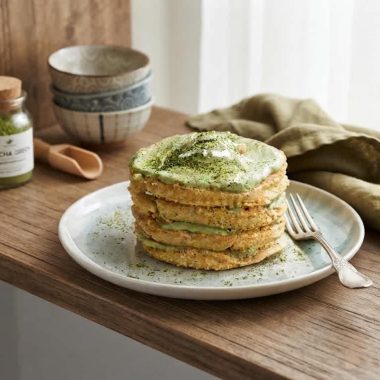
If you want a breakfast that feels comforting but still delivers a useful amount of protein, these high-protein fluffy cottage cheese pancakes are an excellent choice. They have a soft, tender center, lightly golden edges, and a pleasantly fluffy texture that makes them feel like classic homemade pancakes.
Cottage cheese adds protein and richness without making the pancakes taste strongly of cheese, while a simple combination of flour, eggs, milk, vanilla, sugar, and baking powder keeps the recipe easy enough for a busy morning.
These cottage cheese pancakes are especially useful when you want something more satisfying than an ordinary stack of pancakes. With 15 grams of protein per serving according to the provided nutrition information, they can fit comfortably into a balanced breakfast or lunchbox meal.
The batter comes together quickly, and the cottage cheese is blended first so the finished pancakes have a smooth texture rather than noticeable curds. Serve them warm with your favorite toppings for a simple homemade breakfast the whole family can enjoy.
Why Cottage Cheese Works So Well in Pancakes
Cottage cheese is a surprisingly effective ingredient for homemade pancakes because it contributes moisture, richness, and protein at the same time. When blended until smooth, the curds become creamy and easy to incorporate into the batter. This gives the pancakes a tender texture while allowing the other flavors, especially vanilla and the lightly sweet taste from sugar, to remain prominent.
Another advantage is that cottage cheese can make a pancake recipe feel more substantial without requiring complicated ingredients. Instead of relying only on flour for the structure of the pancakes, this recipe combines cottage cheese and eggs with the dry ingredients. The result is a breakfast that is both familiar and a little more nourishing than a basic pancake recipe.
The Secret to Light and Fluffy Pancakes
The texture of these pancakes depends heavily on how the cottage cheese is prepared. Blending it until smooth creates a creamy base that mixes evenly with the milk, eggs, and vanilla extract. If the curds are left whole, the pancakes can have a more noticeable cottage cheese texture. For the smoothest result, use a food processor or blender and process the cottage cheese until it resembles a thick, creamy mixture.
Baking powder is another important part of the recipe. The four teaspoons used here help lighten the batter and create the lift needed for fluffy pancakes. Once the dry ingredients and wet mixture are combined, avoid excessive stirring. A few small lumps in pancake batter are completely normal and can actually help prevent the finished pancakes from becoming dense or chewy.
How to Make Whipped Cottage Cheese
A food processor is the easiest way to prepare the cottage cheese for this recipe. Add the cottage cheese to the bowl and process it until smooth, which generally takes about two minutes. The exact time can vary depending on the appliance, but the goal is to remove most of the visible curds and create a smooth consistency.
If you do not have a blender or food processor, there are still simple alternatives. Mash the cottage cheese thoroughly with a fork, then continue stirring until it becomes as smooth as possible. Another option is to press the curds through a fine-mesh sieve. These methods require a little more effort, but they can still produce a pleasant pancake texture.
Choosing the Right Flour
All-purpose flour gives these pancakes their familiar soft and tender structure. It is easy to find, dependable in pancake batter, and works particularly well with the moisture provided by the cottage cheese and milk. If you prefer a slightly heartier texture, the recipe also works well with a combination of all-purpose flour and whole-wheat flour.
The important point is not to overwork the batter once the flour has been added. Gluten develops as flour is mixed, and excessive stirring can make pancakes tougher. Whisk the dry ingredients separately, add the wet mixture, and stir only until everything is incorporated. The batter should remain slightly lumpy rather than becoming perfectly smooth.
Milk Options for the Pancake Batter
The recipe is flexible when it comes to milk. You can use the variety you normally keep in your refrigerator, including non-fat or whole milk. Plant-based options such as almond or soy milk can also be used according to the original recipe. This makes the pancakes easy to adapt to different household preferences without changing the basic preparation method.
Milk helps loosen the cottage cheese mixture and creates a batter that can spread naturally on the hot cooking surface. If your batter appears somewhat thick, remember that pancake batter is generally thicker than cake batter. Once portions are spooned onto the griddle, the heat will help them spread and set into their familiar round shape.
Preparing the Pancake Batter
Start by blending the cottage cheese until smooth. Transfer it to a medium bowl and whisk in the milk, eggs, and vanilla extract. Mixing these ingredients together first creates an even wet mixture that can be distributed throughout the flour without requiring excessive stirring later.
In a separate large bowl, whisk together the all-purpose flour, baking powder, sugar, and the specified kosher salt. Keeping the dry ingredients separate initially helps distribute the baking powder throughout the flour. Once the dry mixture is ready, add the cottage cheese mixture and gently stir just until combined. Do not try to eliminate every lump from the batter.
Cooking the Pancakes Properly
A nonstick griddle or skillet is ideal because it allows the pancakes to cook evenly and makes flipping easier. Preheat the pan over medium heat before adding the batter. Grease the cooking surface with cooking spray, as specified in the recipe, or use butter if preferred for greasing the pan.
Spoon approximately one-quarter cup of batter for each pancake. Give the pancakes enough room so they do not run together. Allow them to cook without constantly moving or pressing them. As the bottoms set, bubbles will begin appearing across the surface. When the surface is covered with bubbles and the edges look more established, carefully flip the pancake.
How to Know When to Flip
Knowing when to flip is more useful than relying on a strict cooking time because every skillet and stovetop heats differently. The pancakes should develop a lightly cooked underside while bubbles form across the top. When the bubbles are visible over the surface and the batter no longer looks completely wet, it is usually time to turn them.
Flip each pancake only once when possible. After turning, cook for another one to two minutes. Pressing down on the pancakes with a spatula may force out some of the air created by the baking powder, so allow them to finish cooking naturally. Properly cooked pancakes should be tender and fluffy inside with a lightly golden exterior.
Serving Ideas for Cottage Cheese Pancakes
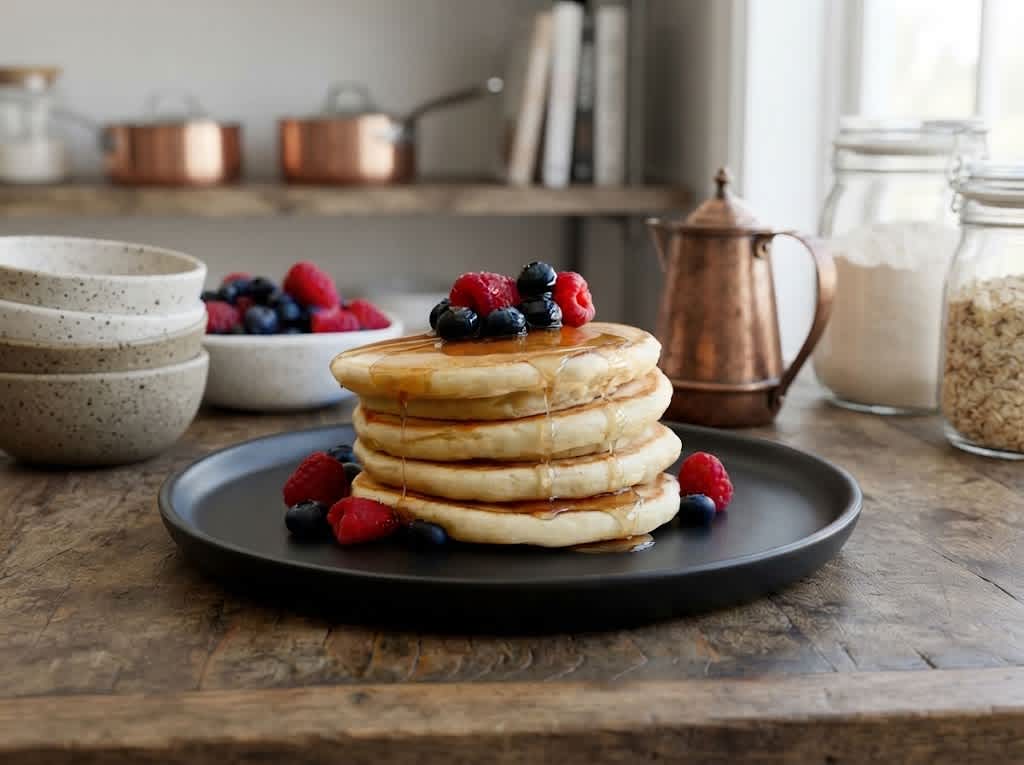
These high-protein pancakes are delicious immediately after cooking, when the centers are warm and soft. They can be served simply or paired with toppings that complement their mild flavor. Fresh fruit, sliced bananas, berries, or other favorite pancake toppings can provide additional texture and sweetness.
For a classic breakfast presentation, stack several pancakes and add your preferred topping just before serving. Because the pancakes already contain vanilla and a small amount of sugar, they have enough flavor to be enjoyed without an elaborate topping. This makes them particularly convenient when you need a quick breakfast on a busy morning.
Making Breakfast More Filling
A stack of pancakes can be made into a more complete breakfast by serving it alongside other foods that complement the recipe. Fresh fruit can add color and freshness, while a suitable protein-rich side can make the meal more substantial. The pancakes themselves already provide protein from cottage cheese and eggs, making them a stronger option than many basic pancake recipes.
The provided nutrition information lists each serving at approximately 359 calories, with 57 grams of carbohydrates, 15 grams of protein, and 7 grams of fat. Nutrition values can vary depending on the specific brands and types of ingredients used, particularly the cottage cheese and milk, so the listed numbers should be treated as an estimate rather than an exact measurement for every kitchen.
A Convenient Make-Ahead Breakfast
These pancakes are also practical for meal preparation. If you have leftovers, allow them to cool completely before storing them in an airtight container. They can be kept in the refrigerator or freezer, making the recipe useful when you want to prepare breakfast ahead of time.
For busy mornings, having cooked pancakes ready to serve can significantly reduce preparation time. Rather than mixing a fresh batter every day, you can prepare a batch and store the extras. When you’re ready to eat them, reheat them using your preferred method until warmed through. Keeping the pancakes properly sealed helps maintain their texture and prevents them from absorbing unwanted refrigerator odors.
Common Questions About Cottage Cheese Pancakes
Can You Taste the Cottage Cheese?
The cottage cheese flavor is relatively mild when the ingredient is blended thoroughly. Because the recipe also contains milk, eggs, vanilla, flour, baking powder, and sugar, the finished pancakes have the familiar flavor of a lightly sweet breakfast pancake. Blending the cottage cheese is especially helpful if you prefer a completely smooth texture without visible curds.
Can You Use Whole-Wheat Flour?
Yes. The provided recipe notes that the pancakes work with all-purpose flour or a combination of all-purpose and whole-wheat flour. A 50/50 mixture can give the pancakes a slightly heartier character while maintaining a reasonably soft texture. If you want the most classic fluffy pancake result, all-purpose flour is the straightforward choice.
Can You Make These Pancakes Without a Food Processor?
Yes. A food processor or blender is the fastest method, but it is not essential. Cottage cheese can be mashed thoroughly with a fork and stirred until smooth, or the curds can be pushed through a fine-mesh sieve. These alternatives take more time but allow you to make the recipe without specialized equipment.
Why Are My Pancakes Dense?
Dense pancakes can result from overmixing the batter, insufficient leavening, or cooking conditions that prevent the pancakes from rising properly. For this recipe, mix the wet and dry ingredients only until combined, use the specified baking powder, and cook over medium heat. Keeping the batter slightly lumpy is completely acceptable and can help maintain a tender texture.
Can the Pancakes Be Frozen?
Yes. Once the pancakes have cooled completely, they can be stored in an airtight container in the freezer. Separating individual portions can make it easier to remove only what you need. Proper storage helps protect the pancakes from freezer odors and excessive moisture. Thaw or reheat them until warm before serving.
Fluffy Cottage Cheese Pancakes
 Recipe by admin1
Light, fluffy homemade cottage cheese pancakes made with cottage cheese, eggs, milk, flour, vanilla, sugar, and baking powder.
4
servings10
minutes5
minutes359
kcal15
minutesIngredients
1 ½ 1/2 cup cottage cheese
4 1 1/2 cups milk of choice
1 2 large eggs
2 2 teaspoons vanilla extract
1 2 cups all-purpose flour
1 4 teaspoons baking powder
¼ 1 tablespoon sugar
Cooking spray or butter, for greasing pan
1/4 teaspoon kosher salt
Directions
- Place the cottage cheese in the bowl of a food processor and blend until smooth, approximately 2 minutes.
- Transfer the blended cottage cheese to a medium bowl. Add the milk, eggs, and vanilla extract, then whisk until the mixture is well combined.
- In a separate large bowl, whisk together the all-purpose flour, baking powder, sugar, and kosher salt.
- Pour the cottage cheese mixture into the bowl containing the dry ingredients. Stir gently until the ingredients are just combined. Do not overmix; a slightly lumpy batter is fine.
- Place a nonstick griddle or skillet over medium heat and allow it to preheat. Lightly grease the surface with cooking spray or butter.
- Spoon approximately 1/4 cup of batter onto the hot cooking surface for each pancake.
- Cook until bubbles appear across the surface and the pancakes look set around the edges. Carefully flip each pancake once.
- Continue cooking for another 1 to 2 minutes, or until the pancakes are cooked through and lightly golden.
- Serve the cottage cheese pancakes immediately, or allow them to cool completely before transferring them to an airtight container for refrigerator or freezer storage.
Nutrition Facts
- Total number of serves: 1
- Calories: 359kcal
- Fat: 7g
- Carbohydrates: 57g
- Fiber: 2g
- Sugar: 9g
- Protein: 15g