Poached eggs are one of those meals that look elegant but are surprisingly easy to prepare once you understand the process. I make them regularly because they are quick, satisfying, and work well with almost anything I already have in my kitchen. Whether I am preparing breakfast in the morning, adding protein to lunch, or finishing a simple dinner, a poached egg always makes the meal feel complete.
The best part is that this recipe does not require special equipment or complicated techniques. With only an egg, white wine vinegar, and water, I can make a perfectly cooked poached egg with tender whites and a rich, runny yolk in just a few minutes.
Many people believe poached eggs are difficult to master, but they become much easier after making them a few times. The key is taking things slowly and handling the egg gently throughout the cooking process. Once the basic method becomes familiar, making poached eggs turns into one of the easiest cooking skills to keep in your kitchen routine.
What Makes a Good Poached Egg?
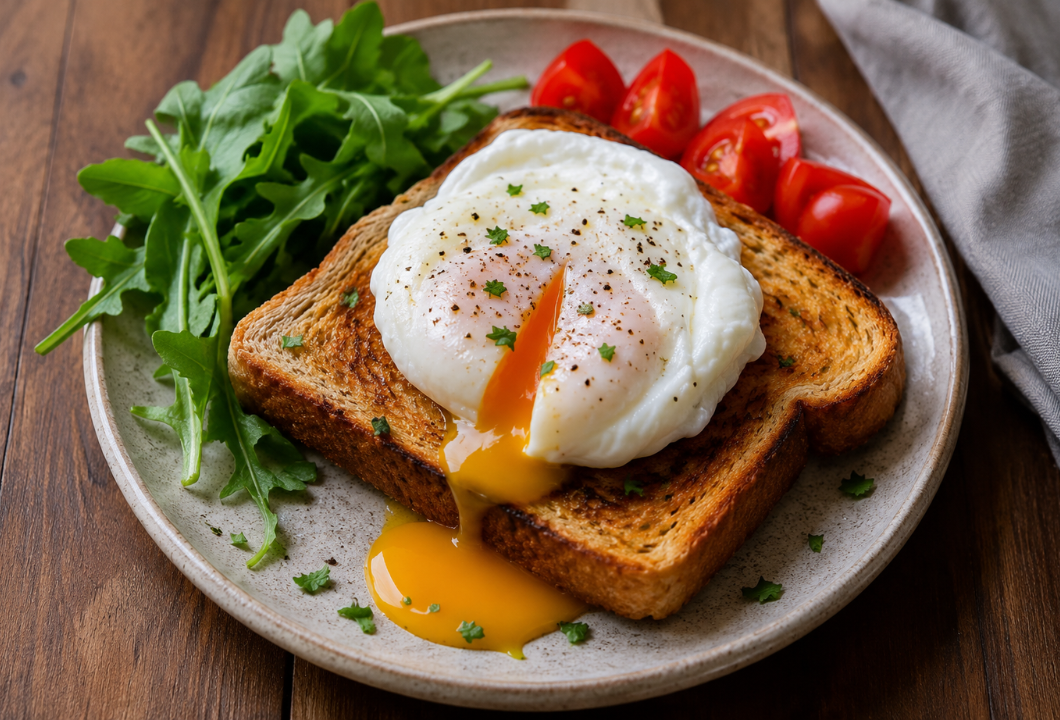
A well-made poached egg has a soft but fully set egg white that gently surrounds a warm, silky yolk. When cut open, the yolk should flow naturally across the plate without the white falling apart.
Unlike fried eggs, poached eggs are cooked without oil or butter, making them feel lighter while still providing a rich texture. The gentle cooking process also keeps the egg delicate instead of developing crispy edges.
A successful poached egg should have:
- Tender, fully cooked egg whites
- A smooth, rounded shape
- A warm, soft center
- A beautifully runny yolk
- No rubbery texture
These simple qualities are what make poached eggs so enjoyable.
Ingredients Needed
One reason I prepare this recipe so often is because the ingredient list is incredibly short.
For one serving I use:
- 1 large egg
- 1 tablespoon white wine vinegar
- A pot of water
That is all it takes to create a restaurant-style poached egg at home.
Kitchen Equipment
Only a few basic kitchen tools are needed.
I usually keep these ready before I begin:
- Medium pot
- Small bowl or ramekin
- Slotted spoon
- Spoon for stirring
- Timer
Preparing everything beforehand helps the cooking process go smoothly because poached eggs cook very quickly.
Preparing the Egg
- Before heating the water, I always crack the egg into a small bowl.
- This small step makes a noticeable difference. Instead of cracking the egg directly over the pot, I can carefully slide it into the water without breaking the yolk.
- It also allows me to quickly check that the yolk is still whole before cooking begins.
Heating the Water Correctly
- The water temperature is one of the most important parts of making poached eggs.
- Rather than bringing the water to a rolling boil, I heat it until it reaches a gentle simmer. Small bubbles slowly rise from the bottom of the pot while steam begins to appear from the surface.
- The water should look calm rather than aggressive.
- Cooking in gently simmering water helps the egg stay together while keeping the whites tender.
Why White Wine Vinegar Is Important
- Once the water reaches the proper temperature, I stir in one tablespoon of white wine vinegar.
- Although it may seem like a small ingredient, it plays an important role during cooking.
- The vinegar helps the egg white set quickly after entering the water. This keeps the white wrapped around the yolk instead of drifting apart into the pot.
- Skipping the vinegar often results in loose strands of egg white floating around the water instead of forming one neat egg.
Creating the Gentle Whirlpool
- After adding the vinegar, I stir the water in one direction until a gentle circular movement forms.
- This creates a small whirlpool in the center of the pot.
- The moving water naturally wraps the egg white around itself as the egg cooks, helping produce a more rounded shape.
- The movement does not need to be fast. A slow swirl is enough to guide the egg into place.
Adding the Egg
- With the water moving gently, I slowly slide the egg from the bowl into the center.
- Rather than dropping it from a height, I lower the bowl close to the water before releasing the egg.
- This prevents the yolk from breaking and helps the egg keep its shape.
- After the egg enters the water, I give the water one final gentle stir before letting it cook undisturbed.
Cooking Time
- Timing matters when making poached eggs.
- I usually cook mine for about 3½ to 4 minutes.
- During this time the white becomes fully set while the yolk stays wonderfully soft.
- Some small strands of egg white may separate and float near the top of the water. This is completely normal.
- If that happens, I simply skim them away while the main egg continues cooking.
Checking for Doneness
- Once the timer finishes, I carefully lift the egg out of the water using a slotted spoon.
- Before serving, I lightly touch the egg to check its firmness.
- If I want a softer center, I serve it immediately.
- If I prefer the yolk slightly firmer, I return it to the water for a little longer.
- This simple adjustment makes it easy to cook the egg exactly the way I like it.
Helpful Tips for Better Results
- Cook One Egg First
- When learning this technique, I always recommend cooking one egg at a time.
- Working with a single egg makes it much easier to control the water and avoid crowding the pot.
- Once the process feels comfortable, cooking two eggs together becomes much easier.
- Fresh Eggs Give Better Results
- Fresh eggs naturally have firmer whites.
- Because of this, they hold their shape better during cooking and create cleaner-looking poached eggs.
- Older eggs often have thinner whites that spread more easily in the water.
- Strain the Egg if Desired
- Sometimes eggs contain a thin outer layer of white surrounding the thicker white.
- If I want an especially neat-looking poached egg, I crack the egg into a fine mesh strainer first.
- The thinner white drains away while the thicker white remains around the yolk.
- After that, I transfer the egg to a small bowl before cooking.
- This extra step creates a smoother, more rounded final shape.
Keep Everything Gentle
Gentle handling makes all the difference.
I avoid:
- Rapid boiling
- Dropping the egg from too high
- Stirring too hard
Moving slowly keeps the white intact and protects the yolk from breaking.
Serving Ideas
- One of my favorite things about poached eggs is how easily they fit into different meals.
- Even a single egg can make a simple dish feel much more satisfying.
- Here are several ways I enjoy serving them.
- With Bread
- Fresh crusty bread pairs beautifully with poached eggs.
- Once the yolk breaks open, the bread soaks up every bit of the rich golden center.
- A little salt and pepper are all that is needed.
- On Avocado Toast
- Creamy avocado and a soft poached egg make a classic combination.
- The creamy avocado and runny yolk create a delicious topping for toasted bread.
- Eggs Benedict
- Poached eggs also work wonderfully on toasted English muffins with hollandaise sauce.
- Adding sliced tomatoes brings freshness and balances the richness of the dish.
- Over Salads
- Whenever I want to make a salad more filling, I place a freshly poached egg on top.
- As the yolk mixes with the vegetables, it creates a naturally creamy dressing.
- Grain Bowls
- Cooked grains such as quinoa, couscous, wheat berries, or farro become much more satisfying when topped with a poached egg.
- The warm yolk blends into the grains and adds extra richness without needing additional sauce.
- With Vegetables
- Sautéed kale, roasted broccoli, asparagus, or other cooked vegetables pair wonderfully with poached eggs.
- The creamy yolk coats the vegetables and ties the entire meal together.
Common Mistakes to Avoid
Although this recipe is simple, a few mistakes can affect the final result.
Avoid these common problems:
- Boiling the water too aggressively
- Skipping the vinegar
- Dropping the egg into the water from too high
- Stirring too forcefully
- Crowding the pot with several eggs
- Overcooking the egg
Paying attention to these details makes it much easier to achieve consistent results.
Why This Recipe Works
- This method combines a gentle simmer, white wine vinegar, careful handling, and precise cooking time to produce reliable results every time.
- The vinegar helps the white set quickly, the swirling water encourages a rounded shape, and the short cooking time keeps the yolk deliciously soft.
- Even though the recipe uses only three ingredients, the finished poached egg feels special enough for both everyday meals and weekend breakfasts.
- Once the technique becomes familiar, preparing poached eggs takes only a few minutes, making them an easy way to add flavor, texture, and protein to everything from toast and salads to grain bowls and vegetables.
Air Fryer Perfect Poached Eggs Every Time
 Recipe by admin1
A simple homemade poached egg with tender whites and a rich, runny yolk. Perfect for serving on toast, salads, grain bowls, vegetables, or simply with bread.
1
servings5
minutes3
minutes72
kcalIngredients
1 large egg
1 tablespoon white wine vinegar
1 Pot of water
Directions
- Crack the egg into a small bowl or ramekin.
- Fill a medium pot with water and bring it to a gentle simmer. The water should have small bubbles and light steam, not a rapid boil.
- Stir in the white wine vinegar.
- Using a spoon, stir the water in a circular motion to create a gentle whirlpool.
- Carefully slide the egg into the center of the swirling water.
- Give the water one gentle stir and allow the egg to cook for 3½ to 4 minutes.
- If small pieces of egg white float to the surface, skim them away while the egg continues cooking.
- Remove the egg with a slotted spoon.
- Check the firmness. If a firmer yolk is preferred, return the egg to the water for a little longer.
- Serve immediately.
Notes
- Fresh eggs produce the best shape because their whites are firmer.
- Cooking one egg at a time is recommended, especially when learning the technique.
- Do not skip the white wine vinegar, as it helps the egg white hold together.
- Keep the water at a gentle simmer rather than a rolling boil.
- For a cleaner appearance, strain the egg through a fine mesh strainer before cooking to remove the thinner egg white.
- Serve with crusty bread, avocado toast, English muffins, salads, cooked grains, or sautéed vegetables.
Nutrition Facts
- Calories: 72kcal
- Saturated Fat: 1.6g
- Trans Fat: 5g
- Cholesterol: 186mg
- Sodium: 70mg
- Potassium: 69mg
- Fiber: 0g
- Sugar: 0.2g
- Protein: 6g
- Vitamin A: 270mcg
- Calcium: 28mg
- Iron: 0.9mg
- Vitamin D: 41mcg
- Vitamin B12: 0.6mcg
- Folate: 24mcg
- Selenium: 15.4mcg